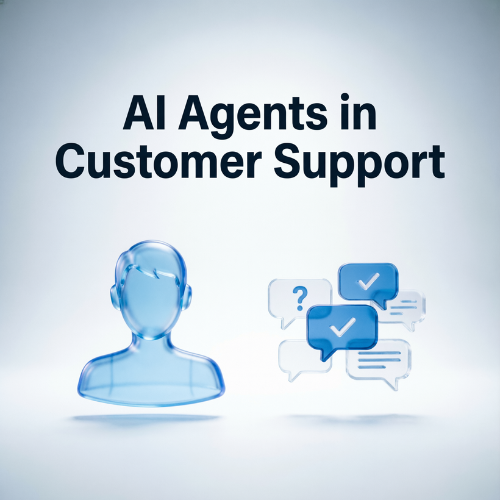
Customer support is one of the most transformative use cases for AI agents. Unlike traditional chatbots, AI agents can resolve complex issues end-to-end, access multiple systems, and provide personalized assistance at scale.
This guide explores AI agent use cases in customer support, implementation strategies, and real-world results achieved by leading organizations in 2026.
Why AI Agents Excel in Customer Support
| Capability | Traditional Chatbots | AI Agents |
|---|---|---|
| Issue Resolution | Limited to FAQs | End-to-end resolution |
| System Access | Predefined integrations | Dynamic multi-system access |
| Personalization | Basic | Context-aware and adaptive |
| Escalation | Manual handoff | Intelligent triage and routing |
| Learning | Static | Continuous improvement |
| Resolution Rate | 20-40% | 60-85% |
Top Use Cases for AI Agents in Customer Support
1. Intelligent Ticket Triage and Routing
Problem: Manual ticket categorization is slow and error-prone.
AI Agent Solution:
- Analyzes incoming requests using NLP.
- Categorizes and prioritizes based on urgency and complexity.
- Routes to appropriate agent or department.
- Extracts key information and pre-fills ticket data.
Results:
- 90% reduction in triage time.
- 95%+ categorization accuracy.
- Faster response times for urgent issues.
2. End-to-End Issue Resolution
Problem: Customers frustrated by multiple transfers and incomplete resolutions.
AI Agent Solution:
- Understands customer intent and context.
- Accesses relevant systems (CRM, billing, orders).
- Executes resolution actions (refunds, changes, updates).
- Confirms resolution with customer.
Example Workflow:
Customer: "I was charged twice for my order #12345"

Agent Actions:
1. Verify customer identity
2. Retrieve order details from database
3. Check payment records
4. Confirm duplicate charge
5. Process refund automatically
6. Send confirmation email
7. Update ticket status

Response: "I've confirmed the duplicate charge and processed a full refund of $49.99. You'll receive a confirmation email shortly. The refund will appear in 3-5 business days. Is there anything else I can help with?"
Results:
- 70%+ first-contact resolution rate.
- 80% reduction in average handling time.
- Improved customer satisfaction scores.
3. Proactive Support and Outreach
Problem: Reactive support leads to customer frustration and churn.
AI Agent Solution:
- Monitors systems for potential issues.
- Identifies affected customers proactively.
- Sends personalized notifications with solutions.
- Offers compensation or alternatives when appropriate.
Example:
- Detects service outage affecting specific region.
- Automatically notifies impacted customers.
- Provides ETA and workarounds.
- Credits accounts for downtime.
Results:
- 50% reduction in inbound tickets during incidents.
- Higher customer trust and retention.
- Reduced support team workload.
4. Multi-Channel Support Orchestration
Problem: Inconsistent experiences across email, chat, phone, and social media.
AI Agent Solution:
- Unified agent handles all channels seamlessly.
- Maintains context across channel switches.
- Adapts communication style per channel.
- Escalates to human with full context preservation.
Results:
- Consistent experience across all touchpoints.
- Reduced customer effort score.
- Efficient resource utilization.
5. Knowledge Base Creation and Maintenance
Problem: Outdated or incomplete knowledge bases reduce self-service effectiveness.
AI Agent Solution:
- Analyzes support interactions to identify knowledge gaps.
- Drafts new articles based on successful resolutions.
- Updates existing content based on product changes.
- Suggests improvements based on customer feedback.
Results:
- 60% increase in self-service resolution.
- Reduced knowledge base maintenance effort.
- Continuously improving content quality.
6. Customer Sentiment Analysis and Escalation
Problem: Missing emotional cues leads to customer dissatisfaction.
AI Agent Solution:
- Analyzes sentiment in real-time across text and voice.
- Detects frustration, urgency, or dissatisfaction.
- Adapts tone and approach accordingly.
- Escalates to human with sentiment context when needed.
Results:
- Early detection of at-risk customers.
- Improved empathy and customer experience.
- Reduced churn from negative experiences.
7. Post-Interaction Follow-Up and Feedback
Problem: Limited follow-up reduces insight collection and relationship building.
AI Agent Solution:
- Sends personalized follow-up messages.
- Collects feedback through conversational surveys.
- Analyzes feedback for actionable insights.
- Triggers additional actions based on responses.
Results:
- Higher feedback response rates.
- Actionable insights for continuous improvement.
- Strengthened customer relationships.
Implementation Strategy
Phase 1: Assessment and Planning (Weeks 1-4)
- Audit current support processes and metrics.
- Identify high-impact use cases for automation.
- Define success metrics and ROI targets.
- Select AI agent platform and tools.
Phase 2: Pilot Development (Weeks 5-12)
- Build agents for 2-3 priority use cases.
- Integrate with core systems (CRM, ticketing).
- Implement safety controls and human handoff.
- Test extensively in sandbox environment.
Phase 3: Controlled Rollout (Weeks 13-20)
- Deploy to limited customer segment.
- Monitor performance and collect feedback.
- Refine agent behavior and responses.
- Train support team on new workflows.
Phase 4: Full Deployment (Weeks 21-28)
- Scale to all customers and channels.
- Expand agent capabilities and use cases.
- Optimize based on performance data.
- Establish continuous improvement process.
Key Metrics to Track
| Metric | Target | Measurement |
|---|---|---|
| Automation Rate | 60-80% | % of tickets resolved without human |
| First Contact Resolution | 70%+ | % resolved in first interaction |
| Average Handling Time | -50% | Reduction in resolution time |
| Customer Satisfaction (CSAT) | 4.5+/5 | Post-interaction ratings |
| Cost per Ticket | -60% | Reduction in support costs |
| Escalation Rate | <20% | % transferred to human agents |
Best Practices for Success
1. Design for Human-Agent Collaboration
- Agents should augment, not replace, human agents.
- Seamless handoff with full context transfer.
- Human agents can supervise and correct agent actions.
- Agents learn from human agent behavior.
2. Maintain Brand Voice and Tone
- Customize agent personality to match brand.
- Ensure consistent communication style.
- Adapt tone based on customer sentiment.
- Regularly review and refine responses.
3. Implement Robust Safety Controls
- Define clear boundaries for agent actions.
- Require approval for sensitive operations.
- Monitor for unexpected behavior.
- Maintain comprehensive audit trails.
4. Continuously Improve
- Analyze failed resolutions and edge cases.
- Collect feedback from customers and agents.
- Update knowledge and capabilities regularly.
- A/B test different approaches.
5. Be Transparent with Customers
- Clearly indicate when customers interact with AI.
- Provide option to reach human agent.
- Explain what the agent can and cannot do.
- Build trust through reliable performance.
Real-World Results: Case Studies
E-Commerce Retailer
- Challenge: High ticket volume during peak seasons.
- Solution: AI agents for order management, returns, and refunds.
- Results: 75% automation rate, 65% cost reduction, CSAT increased from 4.2 to 4.7.
SaaS Company
- Challenge: Complex technical support requiring multiple systems.
- Solution: Multi-agent system with specialized technical agents.
- Results: 55% reduction in resolution time, 40% increase in first-contact resolution.
Financial Services
- Challenge: Regulatory compliance and security requirements.
- Solution: AI agents with strict governance and audit controls.
- Results: 100% compliance adherence, 70% faster response times, improved audit readiness.
Tools and Platforms
- Zendesk AI Agents: Integrated with Zendesk support suite.
- Intercom Fin: Advanced AI agent for customer conversations.
- Salesforce Agentforce: CRM-native support automation.
- Ada: AI-powered customer experience platform.
- Custom Solutions: Built with LangGraph, AutoGen, or enterprise platforms.
Conclusion
AI agents are revolutionizing customer support by enabling end-to-end automation, personalized experiences, and proactive service. Organizations implementing AI agents see dramatic improvements in efficiency, cost reduction, and customer satisfaction.
Success requires careful planning, robust implementation, and continuous optimization. Start with high-impact use cases, maintain human oversight, and scale gradually for best results.
👉 Explore More: