AlsoAsked: Mastering Consumer Intent and Visual Search Mapping
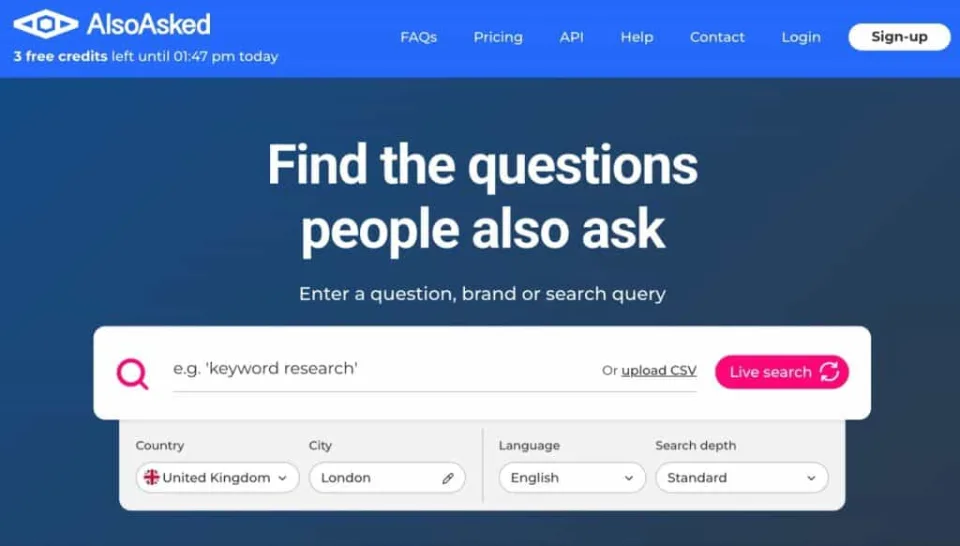
In the rapidly evolving landscape of digital marketing and search engine optimization, understanding exactly what your audience is looking for has become the cornerstone of a successful content strategy. AlsoAsked serves as a sophisticated visual search mapping tool designed to bridge the gap between generic keyword research and the nuanced reality of consumer intent. By visualizing the recursive nature of Google’s "People Also Ask" (PAA) feature, this platform provides content creators, SEO professionals, and digital marketers with a clear roadmap of how topics connect in the minds of users. By mapping these queries, you can build comprehensive content hubs that answer every stage of the user journey, ensuring your site remains an authoritative resource in its niche.
Get the latest offers from the store.
What is AlsoAsked and Why Does It Matter?
At its core, AlsoAsked is a research tool that transforms raw search data into actionable, visual intelligence. While traditional keyword research tools often provide a flat list of search volumes and difficulty scores, this platform digs deeper into the relational data of search behavior. It tracks the specific questions that appear in the "People Also Ask" boxes on Google, creating a tree-like structure that demonstrates how one query leads to another. This recursive mapping is vital because it reveals the "search journey"—the logical path a user takes when trying to solve a problem or learn about a complex topic.
By leveraging this technology, businesses can stop guessing what their audience needs and start providing it with precision. Whether you are a content strategist looking to fill gaps in your pillar pages or an electronics retailer trying to understand the specific feature questions shoppers have before making a purchase, this tool offers the insights necessary to create high-converting, helpful content that satisfies both the user and the search engine algorithms.

Core Services and Research Capabilities
The platform offers a suite of features designed to streamline the research process and enhance content quality. Its primary functionality revolves around the generation of deep, hierarchical maps that show the relationships between different search queries. These maps are not just static diagrams; they are interactive assets that allow you to explore the breadth and depth of a subject area in real-time.
Pros and Cons of Using Search Mapping Tools
Integrating advanced research tools into your workflow is a significant step toward data-driven growth, but it is important to weigh the benefits against the learning curve. Understanding these factors will help you maximize your investment in the platform.
Available Coupons
- Free Searches & Tier Discounts — Unlock unrestricted 14-day access to deep data audits, competitor tracking, and automated reporting dashboards with no setup fees.
The Advantages
The most significant benefit is the ability to create "content authority." When you answer every possible question a user might have on a topic, you naturally position your domain as the primary source of truth. This leads to higher engagement, longer time-on-site, and a reduced bounce rate. Furthermore, the tool saves hours of manual research time. Instead of clicking through dozens of search results to see what questions pop up, you get a bird's-eye view of the entire topic ecosystem in seconds. This efficiency is particularly valuable for agencies and large-scale content teams managing multiple projects simultaneously.
The Challenges
On the other hand, the sheer volume of data can be overwhelming for beginners. It is easy to fall into the trap of trying to answer every single query, which can lead to bloated, unfocused content. It is essential to use the tool as a guide rather than a mandate; not every "People Also Ask" question is relevant to your specific business goals. Additionally, while the tool provides the data, the responsibility for crafting compelling, high-quality content still rests with the user. The tool provides the blueprint, but you must still do the work of building the house.
Optimizing Your Strategy for Long-Term Growth
To get the most out of your research, focus on using the data to build comprehensive topic clusters. By organizing your site structure around the hierarchies discovered through the platform, you help search engines understand the topical relevance of your domain. Start by identifying the "seed" question—the high-level query that defines your main product or service—and then use the tool to find the supporting questions that your customers are asking. These supporting questions are perfect candidates for FAQ sections, blog posts, or even specific product descriptions.
Remember that search intent is not static. As consumer interests shift and new technologies emerge, the questions that appear in search results will change. Regularly revisiting your maps will ensure that your content remains fresh and continues to meet the evolving needs of your audience. By staying proactive rather than reactive, you can maintain a competitive edge in the electronics sector and beyond, ensuring your brand remains the go-to destination for users seeking reliable, detailed information.