Litmaps: Revolutionizing Literature Discovery for Modern Research
Navigating the vast sea of academic literature is one of the most daunting challenges for researchers, PhD candidates, and scientists today. As the volume of published papers continues to grow exponentially, traditional keyword-based search engines often fall short, leaving scholars feeling overwhelmed by irrelevant results or, worse, missing critical foundational studies. Litmaps provides a sophisticated solution by transforming how researchers interact with scientific knowledge. By utilizing interactive citation mapping, the platform allows users to visualize the connections between papers, ensuring that no essential discovery goes unnoticed during the literature review process.
Get the latest offers from the store.
What is Litmaps and Why Does It Matter for Researchers?
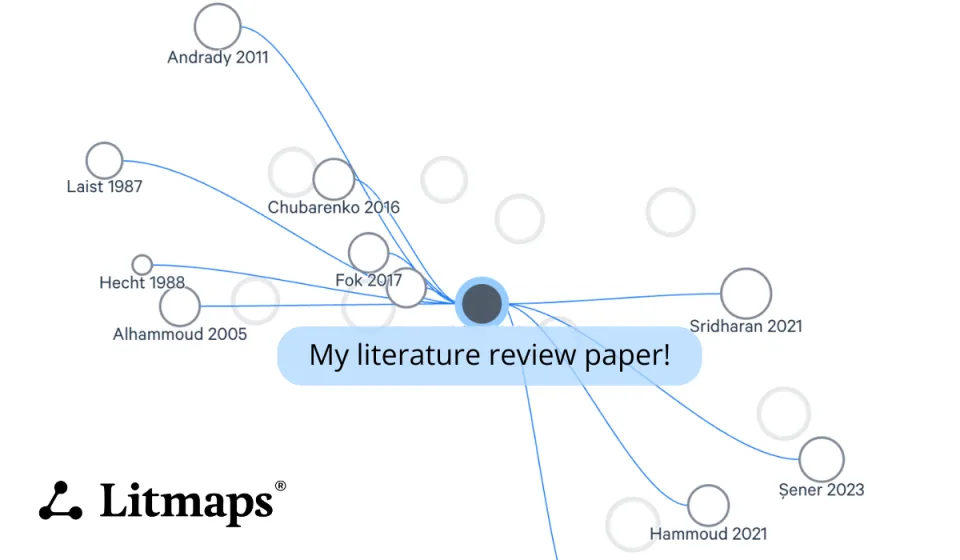
At its core, Litmaps is an intelligent research discovery tool designed to help academics map out the landscape of their field. Unlike static databases that provide a list of titles based on search terms, this platform creates a dynamic, visual network of citations. By visualizing how papers are linked to one another—through references and citations—researchers can intuitively navigate through time, seeing how specific ideas evolved, branched out, or converged.
For PhD candidates working on a thesis or scientists conducting a systematic literature review, the tool acts as a visual compass. It helps identify "seed" papers and then expands the search radius to discover highly relevant, high-impact research that might not appear in a standard keyword search. By focusing on the relationships between documents, the platform minimizes the "silo" effect, allowing users to build a more comprehensive understanding of their research domain.
Key Features and Services
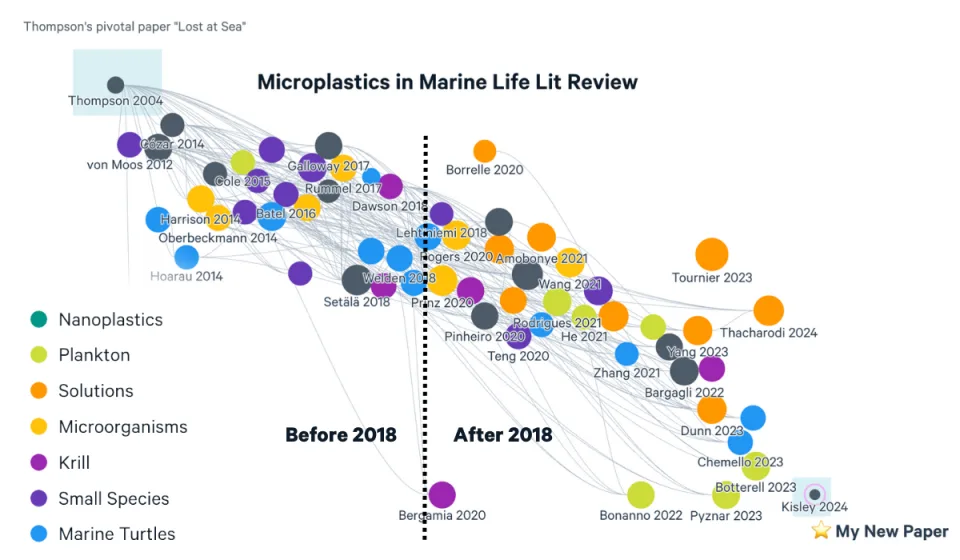
The platform offers a suite of features designed to streamline the research workflow from the initial discovery phase to the final synthesis of findings. The core functionality centers on the interactive map, which allows users to see clusters of research, identifying key influencers and emerging trends within their specific area of interest.
Pros and Cons of Using This Research Tool
Like any specialized software, it is important to weigh the benefits against potential limitations to determine if it fits your specific research methodology.
Available Coupons
- Free Plan with Pro Upgrade Discount — Exclusive affiliate access providing instant onboarding benefits, free tier testing credits, and preferred subscription discounts.
The Advantages
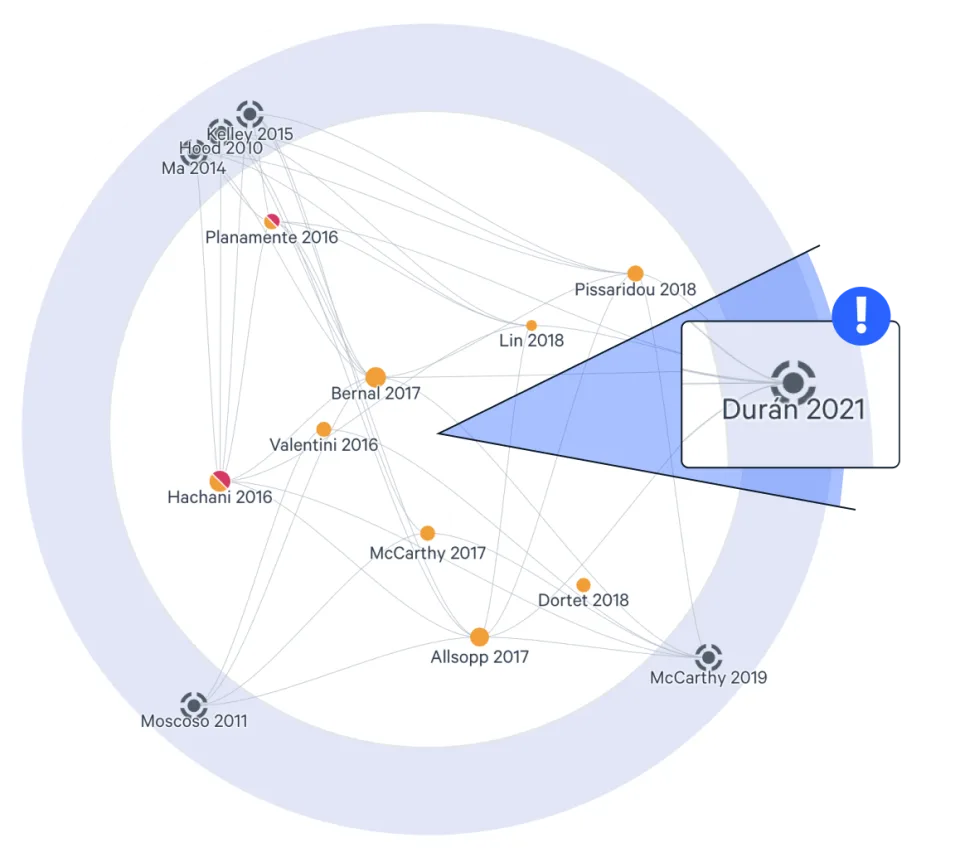
The primary benefit of this platform is the significant time saved during the literature review process. By automating the discovery of related papers, researchers can spend less time digging through irrelevant search results and more time analyzing the actual content. The visual nature of the interface is also highly intuitive, making it easier to grasp complex research landscapes quickly. Furthermore, the ability to identify "seminal" papers—the foundational works that every researcher in a specific niche should know—is an invaluable feature for those entering a new field of study.
The Considerations
While the tool is powerful, it is best utilized as a complement to other academic databases rather than a complete replacement. Some users may find that the visual mapping interface requires a brief learning curve to master fully. Additionally, the depth of the citation network is dependent on the metadata available in the platform's database; while it covers a vast array of scientific literature, niche or very obscure disciplines might have less robust mapping compared to more mainstream scientific fields.
Optimizing Your Academic Workflow
Integrating advanced discovery software into your daily workflow can lead to a more rigorous and efficient research process. By starting with a few key papers and using the mapping technology to expand your reach, you create a snowball effect of discovery. This method not only helps in finding relevant articles but also in understanding the "who, what, and when" of your research topic. It helps you see the broader context of your work, which is essential for writing high-quality literature reviews and defending your research methodology during peer review.
For those currently managing heavy workloads, the ability to save time on manual searches is a major productivity booster. Whether you are in the early stages of a doctoral program or are an established researcher looking to keep up with the rapid pace of scientific advancement, leveraging modern discovery tools is a smart strategic move. By focusing on the connectivity of knowledge rather than just the keywords, you ensure that your research is built on a solid, well-rounded foundation.